

Billy Morgan
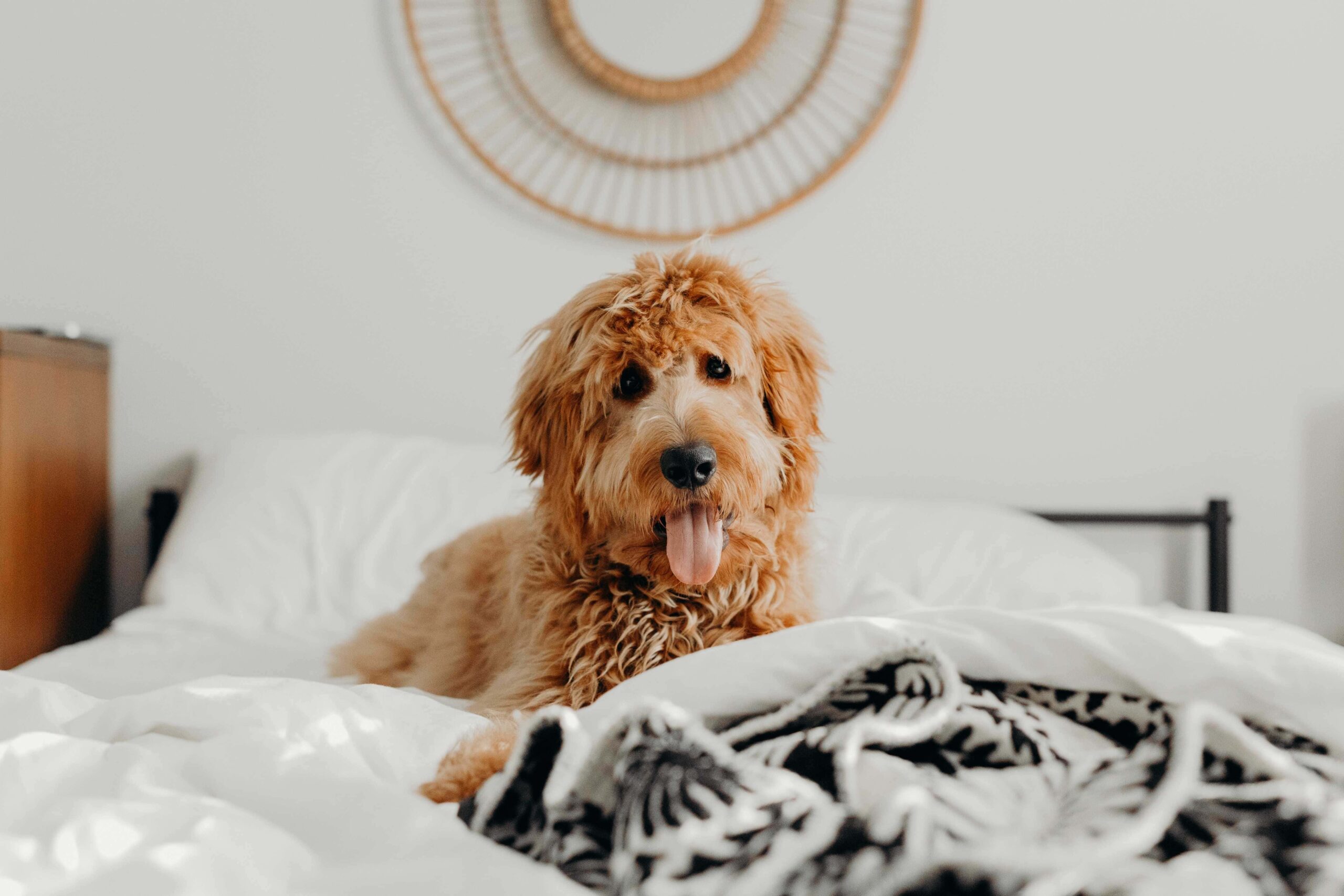
Bringing a pet into your home is exciting, heartwarming, and full of joy. But just like children, pets are curious and can easily get into trouble if your space isn’t prepared. Pet-proofing isn’t just about keeping your belongings safe—it’s about ensuring your pet’s safety and preventing avoidable accidents or emergencies.
This guide offers a complete checklist to help you create a safe environment for your dog, cat, or any small pet, especially if you’re a new or first-time pet parent in Canada.
Pets explore the world with their noses, paws, and mouths. This natural curiosity can lead them into dangerous situations—chewing on electrical cords, swallowing small objects, or ingesting toxic foods. A pet-proof home can reduce emergency vet visits, protect your furry friend’s well-being, and offer you peace of mind.
Let’s break down what you should check and modify in every area of your home.
The living room is often the most used space in a home, which makes it full of potential hazards for pets.
Cords can look like chew toys to both puppies and kittens. Use cord covers or hide wires behind furniture. You can also purchase bitter-tasting cord sprays to discourage chewing.
Remote controls, coins, batteries, jewelry, and children’s toys can be dangerous if swallowed. Always store small items in closed drawers or containers.
Some common indoor plants, such as lilies, philodendrons, and pothos, are toxic to pets. Research pet-safe alternatives like spider plants or Boston ferns.
Your kitchen is a treasure trove of smells—but it’s also one of the riskiest places for pets.
Keep pantry doors shut and use pet-proof trash cans. Foods like chocolate, grapes, onions, garlic, and xylitol (found in gum) are toxic to both dogs and cats.
Keep cleaning products, detergents, and plastic bags in high cabinets or locked cupboards. Even natural cleaners can be harmful to pets when ingested.
Bathrooms may seem harmless, but they contain many hidden hazards.
Some pets may drink from toilets, which can expose them to harmful bacteria or cleaning agents. Always keep toilet lids closed.
Even over-the-counter drugs can be deadly to pets. Secure all medications, vitamins, razors, and cosmetics in a cabinet.
While bedrooms and offices may appear safe, they can still contain choking hazards or toxic materials.
Laptop and phone chargers are common chew targets. Keep them unplugged and stored away when not in use.
Paperclips, rubber bands, pens, earrings, and hair ties can be harmful if swallowed.
These areas often contain some of the most dangerous materials in your home.
Fabric softeners, dryer sheets, and automotive fluids (like antifreeze) are toxic. Make sure they are securely stored in high or locked cabinets.
Always close washers and dryers after use. Curious cats may sneak inside for a nap.
If your pet has access to your backyard, garden, or balcony, you need to pet-proof these zones as well.
Ensure your fence is secure with no holes or loose boards. Smaller pets can slip through gaps or dig under fences.
Common outdoor plants like azaleas, oleander, and sago palms are harmful to pets. Also avoid using chemical fertilizers, insecticides, and rodenticides.
Install mesh or netting to prevent falls. Never leave small pets unsupervised on high balconies.
Different pets have different needs. Let’s briefly go over some species-specific safety tips.
Dogs are strong and persistent. Invest in baby gates to keep them out of restricted areas and avoid leaving shoes, laundry, or bags within reach.
Cats love to climb. Anchor bookshelves and heavy objects, and avoid string-based toys when unsupervised.
Small pets often chew everything in sight. Cover electrical cords, remove carpets or rugs they may ingest, and use non-toxic materials in their enclosures.
Here are some extra, often overlooked tips to keep your pet-safe environment top-notch:
Read Also : How to Create the Perfect Pet Space in Your Home
Pet-proofing your home isn’t something you do once and forget about. As your pet grows, their behavior will change—and so should your safety measures. Regularly walk through your home from your pet’s eye level to identify new risks.
Creating a safe environment means fewer accidents, happier pets, and less stress for you. Whether you’re a first-time pet parent or a seasoned owner, a pet-proof home is one of the best gifts you can give your furry companion.
© All rights reserved. Made in Canada