

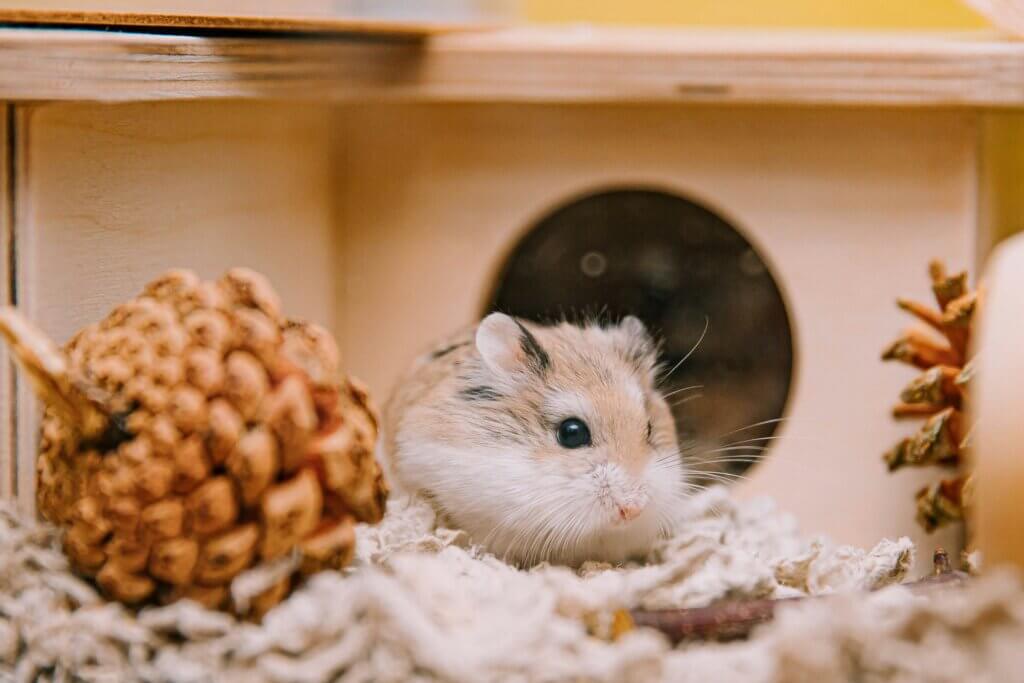
Creating the perfect home for your small animal is more than just placing them in a cage—it’s about building a safe, stimulating, and comfortable environment where they can thrive. Whether you have a hamster, guinea pig, rabbit, or gerbil, their habitat plays a huge role in their health and happiness.
In this guide, we’ll explore everything you need to know about building the ideal habitat for your small pet—from choosing the right enclosure to adding enrichment and ensuring daily comfort.
Before setting up any habitat, it’s essential to understand your pet’s natural behavior and environmental preferences. Each species has unique needs when it comes to space, temperature, and stimulation.
For example, hamsters love burrowing and climbing, guinea pigs prefer flat open spaces with hiding spots, and rabbits need enough room to hop and stretch. Knowing these basic instincts helps you design a habitat that mimics their natural lifestyle.
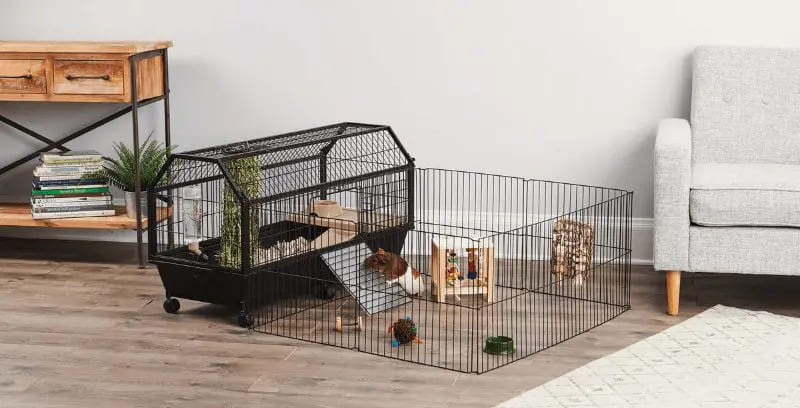
The enclosure is the foundation of your small animal’s home. It should provide enough room for movement, play, and rest while keeping your pet safe from escape or injury.
A common mistake pet owners make is choosing an enclosure that’s too small. Your pet should be able to move freely, explore, and have separate zones for eating, sleeping, and playing. For instance:
Wire cages, glass tanks, and plastic enclosures all have pros and cons.
Choose one that balances airflow, safety, and accessibility for cleaning.
Bedding isn’t just for comfort—it absorbs waste, minimizes odor, and provides a sense of security.
Use paper-based bedding, aspen shavings, or hemp bedding. These are soft, absorbent, and safe. Avoid cedar or pine shavings as they contain oils that can harm small animals.
Provide a thick layer of bedding (at least 2–3 inches) so your pet can burrow and dig. Change the bedding weekly or sooner if you notice odors or damp spots.
A habitat isn’t complete without the right feeding setup.
Place food dishes in a corner away from bedding to avoid contamination. Use ceramic or stainless-steel bowls that can’t be tipped over easily.
A sipper bottle works best for most small animals, but check daily to ensure it’s not clogged. For guinea pigs or rabbits, a heavy water bowl can also work, but make sure it stays clean.
Small pets are sensitive to changes in their environment, so maintaining the right conditions is crucial.
Most small animals thrive between 18°C to 24°C (65°F to 75°F). Avoid direct sunlight or cold drafts, as both can stress or harm your pet.
Place the habitat in a spot with natural light but not direct heat. Avoid keeping it in dark corners or under constant artificial light, as this can disrupt sleep cycles.
Ensure airflow to prevent moisture buildup and bad odors. If using a glass tank, use a mesh top for better ventilation.
A stimulating habitat keeps your pet physically active and mentally engaged.
Provide chew toys, tunnels, exercise wheels, and climbing structures depending on your pet’s species.
Every small animal needs a cozy place to retreat and feel safe. Wooden huts, fleece hides, or cardboard boxes make great shelters.
If you have enough space, set up a playpen or enclosed area outside the main habitat where your pet can explore under supervision.
This gives them a change of scenery and more room for exercise, especially for active animals like rabbits and guinea pigs. Always make sure the area is pet-proofed and free of wires or small objects they could chew on.
A clean habitat prevents health issues and keeps your pet comfortable.
Do a full clean every 2–3 weeks—this means removing everything, washing all surfaces, and letting the habitat air-dry before adding bedding back.
Even with a perfect setup, regular health checks are important. Keep an eye out for signs like loss of appetite, lethargy, or changes in droppings.
Avoid overcrowding cages and handle your pets gently to prevent stress. Also, make sure the enclosure is securely latched to avoid escapes.
Every small animal has a unique personality. Try rearranging toys, rotating hiding spots, or adding new tunnels occasionally to keep their environment interesting.
You can even theme their enclosure seasonally—with cozy fleece tunnels in winter or fresh hay nests in summer. Small details like this help build a stronger bond between you and your pet.
Read Also : The Truth About Grain-Free Pet Food: Is It Really Better?
Building the perfect habitat for your small animal is all about balance—comfort, safety, enrichment, and cleanliness. When your pet feels secure and stimulated, they’ll live a happier, healthier life.
From choosing the right cage and bedding to maintaining ideal conditions, every decision matters. Take the time to observe how your small animal behaves in their space and make small adjustments as needed.
After all, a thoughtfully designed habitat isn’t just a home—it’s a place where your furry friend can truly thrive.