

Billy Morgan
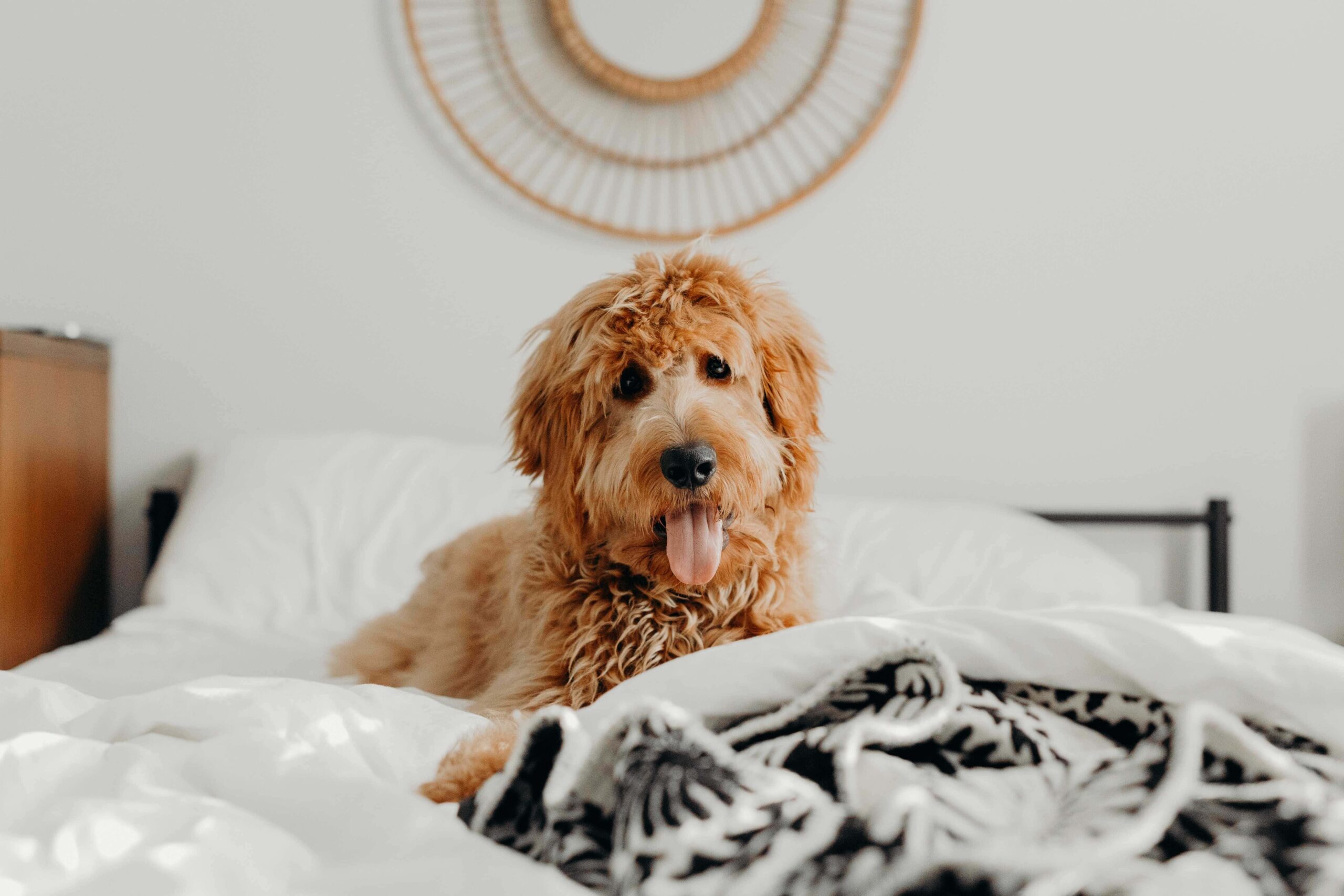
Bringing home a new pet is exciting, but it can also be overwhelming for both the animal and the owner. Whether you have adopted a puppy, kitten, rabbit, or small pet, the transition into a new environment can feel stressful. Creating a comfortable, safe space helps your pet feel secure, adjust faster, and develop healthy habits from the beginning.
A well-prepared pet space is more than just a sleeping area. It includes rest, feeding, play, and quiet zones that support your pet’s physical and emotional well-being.
When pets enter a new home, everything is unfamiliar — smells, sounds, people, and routines. Having a designated area gives them a sense of stability. Animals naturally seek safe spots where they can relax without feeling threatened.
A comfortable setup also helps with training. It reduces accidents, limits destructive behavior, and makes it easier to establish routines for feeding, sleeping, and playtime. Over time, this personal space becomes your pet’s comfort zone.
The first step is selecting the best place for your pet’s area. This decision affects how quickly your pet feels settled.
Choose a location that is calm but not completely cut off from family activity. Pets feel safer when they can see and hear their owners, but constant noise or foot traffic can make them anxious.
Avoid areas near loud appliances, entry doors, or direct sunlight for long periods. A corner of the living room or a quiet bedroom area often works well.
Make sure the area is free from electrical cords, toxic plants, sharp objects, and small items that could be swallowed. Safety should always come first when setting up a pet environment.
Sleep is essential for a new pet, especially young animals who need extra rest for growth and adjustment.
Select a bed that suits your pet’s size and sleeping style. Dogs that curl up may prefer round beds, while those who stretch out need rectangular ones. Cats often enjoy soft, warm, and slightly enclosed beds.
For small animals like rabbits or guinea pigs, provide soft bedding material and a sheltered corner where they can hide and rest.
Blankets or soft liners add warmth and familiarity. Some pets feel calmer with an item that carries your scent. This can help reduce separation anxiety during the first few nights.
A proper feeding area encourages healthy eating habits and keeps your home cleaner.
Use sturdy, non-slip bowls placed on an easy-to-clean mat. Keep food and water slightly away from sleeping areas to maintain hygiene.
For puppies and kittens, choose bowls appropriate for their size. Elevated bowls may benefit larger dogs by supporting better posture during meals.
Place the feeding station in the same location daily. Consistency helps your pet understand when and where meals happen, reducing confusion and stress.
Play is crucial for mental stimulation and physical health. A designated play area keeps your pet entertained and prevents boredom-related behavior problems.
Puppies need chew toys for teething, while kittens enjoy interactive toys that mimic prey. Small pets benefit from tunnels, chew sticks, or climbing structures.
Rotate toys regularly to maintain interest. This keeps your pet mentally engaged without overwhelming the space.
Cats need scratching posts to protect furniture and maintain claw health. Dogs benefit from durable chew toys that satisfy natural chewing instincts and reduce anxiety.
Pets sometimes need a quiet place to retreat, especially in busy households or during stressful moments.
For dogs, a crate can act as a secure den when introduced properly. It should never be used as punishment. Add soft bedding to make it inviting.
For cats or small animals, enclosed beds or hideouts provide similar security. These spaces help pets feel protected when they need rest.
Teach family members, especially children, not to disturb pets when they are in their retreat zone. Respecting this boundary builds trust.
A clean pet space supports health and prevents odors.
Wash bedding, clean bowls daily, and vacuum the surrounding area to remove fur and debris. For litter boxes or cages, follow a consistent cleaning schedule to prevent bacterial buildup.
Ensure the area has good airflow. Fresh air reduces smells and keeps your pet comfortable, especially in warmer months.
Your pet’s needs will change over time. Puppies outgrow small beds, and kittens become more active climbers.
Observe your pet’s behavior. If they seem restless or uncomfortable, you may need to upgrade bedding, add new toys, or rearrange the layout. A flexible setup allows you to adapt as your pet matures.
Comfort is not only physical — it’s emotional too. Spend time with your pet in their space so they associate it with safety and positive experiences.
Use gentle tones, offer treats, and keep a consistent daily schedule. Over time, your pet will view this area as their personal sanctuary within the home.
Read Also : Best Chew Toys by Dog Size: Stop Destructive Chewing for Good
Setting up a comfortable space for a new pet is one of the most important steps in helping them adjust to their new home. A well-designed area includes a cozy bed, feeding station, play zone, and safe retreat spot. Location, cleanliness, and consistency all play key roles in creating an environment where your pet feels secure.
By planning thoughtfully and observing your pet’s needs, you create a foundation for trust, good behavior, and long-term well-being. A comfortable start leads to a happier, healthier life together.
© All rights reserved. Made in Canada