

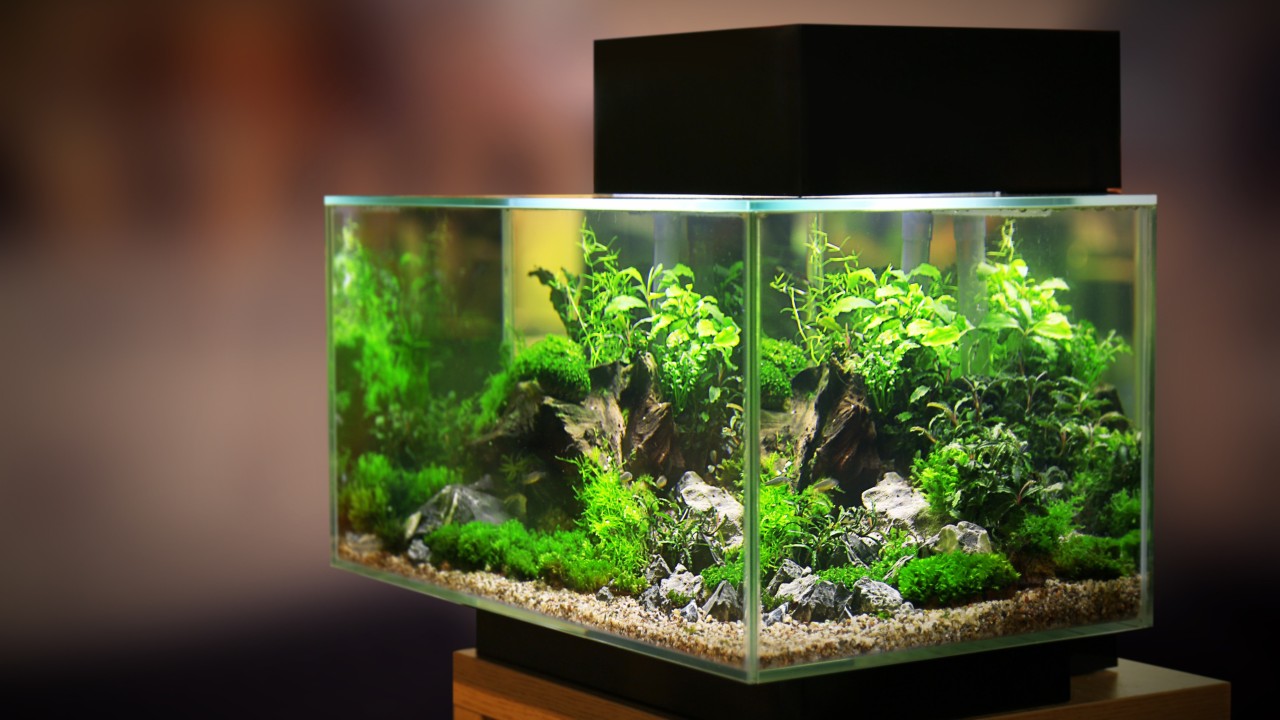
Setting up your first aquarium can be one of the most rewarding experiences for pet lovers. Whether you’re drawn to the soothing sight of colorful fish swimming or the beauty of aquatic plants, creating an underwater world requires a bit of planning and patience. This guide will walk you through every step — from choosing the right tank to maintaining a healthy aquatic environment — to help you get started confidently.
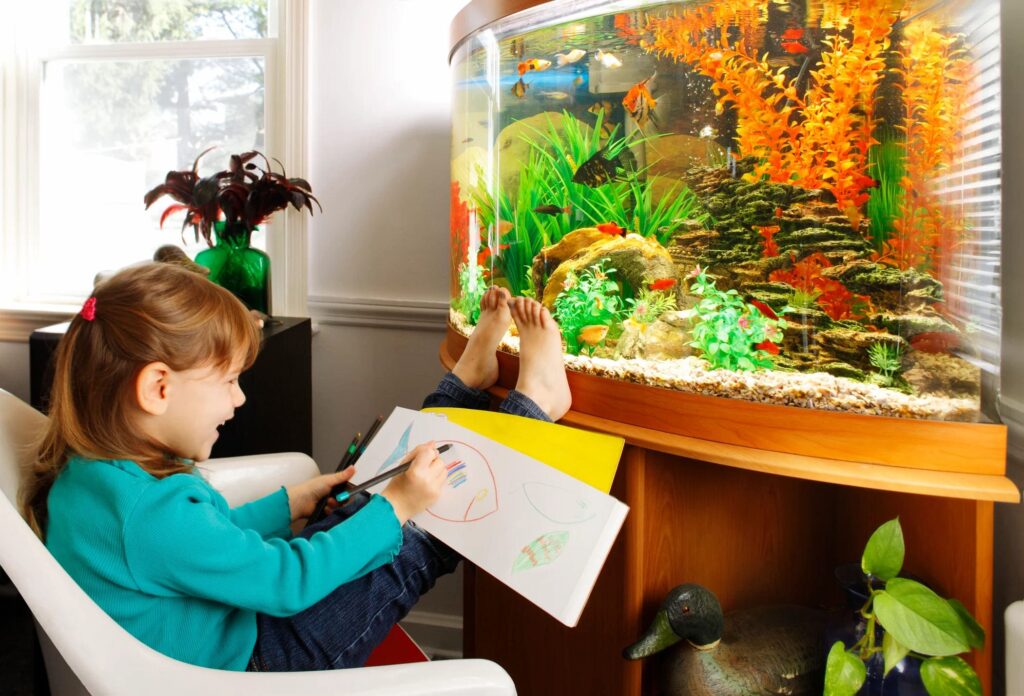
Before you dive in, it’s important to select the right aquarium that fits your space, budget, and lifestyle.
For beginners, a medium-sized tank (20–30 gallons) is ideal. It’s large enough to provide a stable environment for your fish but small enough to manage easily. Smaller tanks may seem simpler, but they require more maintenance because water conditions can change quickly.
Also, consider where you’ll place the aquarium. Choose a flat, sturdy surface away from direct sunlight, drafts, or noisy areas. Excessive light encourages algae growth, while temperature fluctuations can stress fish.
Setting up a successful aquarium requires more than just a tank and water. The right equipment ensures a balanced and healthy environment.
A good filtration system is the backbone of any aquarium. It removes waste, uneaten food, and toxins. There are three types of filtration — mechanical (removes debris), biological (balances bacteria), and chemical (neutralizes impurities). For beginners, a hang-on-back filter or canister filter is a great choice for ease of maintenance.
Most tropical fish thrive in warm water, typically between 75°F to 80°F (24°C to 27°C). Use an adjustable heater and a reliable thermometer to maintain consistent water temperature. Fluctuations can lead to stress and illness.
Proper lighting is essential not just for visibility but also for plant growth and fish health. Choose LED aquarium lights that match your tank’s size. Avoid overexposure, as too much light encourages algae.
The substrate — sand, gravel, or pebbles — is the foundation of your aquarium. It provides a base for plants and beneficial bacteria. Rinse it thoroughly before adding it to the tank to remove dust and debris.
Decorations like rocks, driftwood, and ornaments not only make your aquarium visually appealing but also offer hiding spots that help fish feel safe.
Once your tank is set up with all the essentials, it’s time to add water. However, you can’t just pour tap water and start introducing fish immediately.
Tap water contains chlorine and chloramine, which are harmful to fish. Use a water conditioner to neutralize these chemicals.
Before adding fish, ensure the water temperature matches their requirements. Adjust your heater accordingly and let it stabilize for 24–48 hours.
This is one of the most crucial steps for beginners. Cycling means building up beneficial bacteria that convert fish waste (ammonia) into less harmful substances. This process takes 2–4 weeks. You can speed it up using bottled bacteria or by adding a small amount of fish food to start the nitrogen cycle.
Selecting the right fish is key to a successful aquarium. Start with hardy species that can adapt to different conditions.
Avoid overcrowding — a good rule is one inch of fish per gallon of water. Introduce only a few fish at a time to prevent overloading the filtration system.
Aquascaping is the art of decorating your aquarium with plants, rocks, and ornaments. It not only enhances the visual appeal but also provides a natural habitat for your fish.
Live plants like Java fern, Anubias, and Amazon sword help maintain oxygen levels and reduce algae growth. Artificial plants, on the other hand, require no maintenance and come in a variety of styles.
Place taller plants and rocks at the back and shorter ones in front to create depth. Leave enough open space for your fish to swim freely.
Feeding your fish properly and maintaining the tank regularly will ensure a healthy, thriving aquarium.
Feed your fish small portions once or twice daily, only what they can eat in about two minutes. Overfeeding leads to waste buildup and cloudy water.
Perform weekly partial water changes (20–25%) to remove excess waste and maintain clean water. Clean the filter monthly and gently wipe the glass to remove algae.
Use a water testing kit to check pH, ammonia, nitrite, and nitrate levels. Balanced water chemistry is crucial to prevent fish stress and diseases.
New aquarium owners often make a few mistakes that can be easily avoided with the right knowledge.
Once your aquarium is fully set up and balanced, take time to enjoy it! Watching fish swim gracefully can be incredibly calming and rewarding. With regular care, your aquarium can become a stunning centerpiece in your home — a living piece of art that grows more beautiful over time.
Setting up your first aquarium is a learning experience filled with excitement and discovery. From choosing the right tank size to balancing water chemistry, each step plays a vital role in creating a thriving aquatic world. With patience and consistent care, you’ll soon find yourself mesmerized by the tranquil rhythm of your underwater ecosystem.